The anteroom,
in one order.
A Class IV permit calls for an anteroom, and an anteroom takes several pieces: the wall system itself, a door, a negative air panel to pull the pressure differential across it, and monitoring to show the differential is holding. Sourced separately those pieces arrive on different trucks on different days, and the barrier waits on whichever one is late. Buying the assembly as a bundle puts it on one purchase order with one delivery date, which is often what decides whether containment is standing when the crew arrives.
The full Anteroom Bundle catalog.
 Oncore Vetted
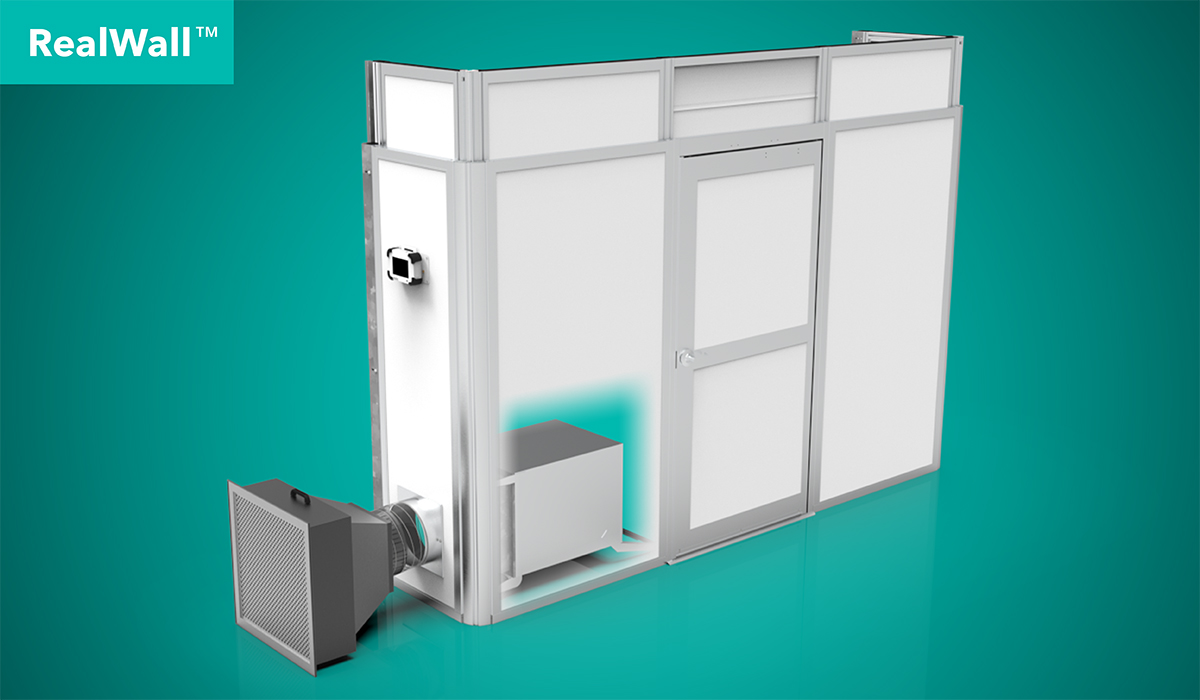
RealWall Negative Air & Monitoring Bundle
Combine STARC wall starter kits with supporting equipment to move toward proactive compliance, protection, and faster project staging and phasing.
 Oncore Vetted
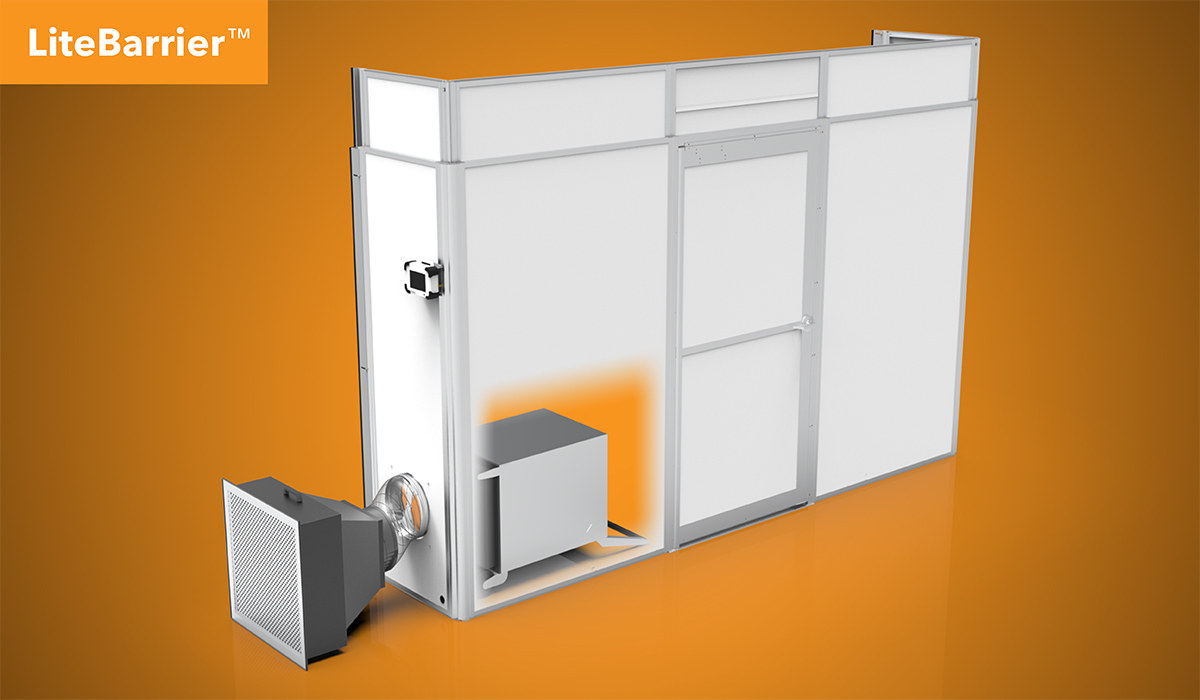
LiteBarrier Negative Air & Monitoring Bundle
Avoid multi-sourcing coordination by simplifying planning, ordering, and delivery from one vendor. Get the complete anteroom bundle to speed up project staging.
What to check before you buy.
Guidance from the Oncore consultants who write these permits and inspect the barriers that come out of them.
Ask a Consultant- 01
Match the bundle to the wall system already specified. The negative air panel and its monitoring are built to integrate with a particular STARC panel line, so a RealWall project and a LiteBarrier project take different bundles.
- 02
Order the anteroom with the wall rather than after it. The entry sequence is the part crews improvise when it has not shown up, and an improvised anteroom is a common place for a Class IV containment to lose its pressure differential.
- 03
Decide where the monitor will be read. Pressure monitoring earns its place only when staff outside the barrier can check it during rounds without opening the containment to do so.
- 04
Count the phases before you buy. These assemblies are built to come down and go back up, so the number of times the anteroom will move across a multi-phase renovation is what determines whether the bundle pays for itself.
The classes this category serves.
Class III
Work that generates moderate to high dust levels, or that requires removing a fixed building component such as a wall, ductwork, or casework.
Critical barriers that fully seal the work area, negative air pressure maintained with HEPA filtration, and every penetration sealed. Pressure has to be verified, not assumed.
Class IV
Major demolition and construction. Work spanning multiple shifts, requiring consecutive work shifts, or involving heavy demolition and removal of a complete cabling or ceiling system.
Rigid sealed barriers with an anteroom for gowning and equipment transfer, continuous negative air pressure with HEPA exhaust, tacky mats at every transition, and documented monitoring for the life of the project.
Not sure which class your project falls under? Oncore performs the risk assessment and writes the ICRA permit, and our ICRA 2.0 training teaches your team to do it in house.
Need the containment
scoped properly?
Buying the right product is the last step. Oncore performs the risk assessment, writes the ICRA permit, and monitors the barrier through the life of the project.