Hard barriers that
hold a seal.
When an ICRA permit calls for a rigid barrier, plastic sheeting stapled to a stud wall is not the answer. Class III and Class IV work in an occupied hospital needs a barrier that seals to the floor and deck, holds negative pressure across the length of the project, and can be taken down without generating the dust it was installed to contain. Modular wall systems do that, and they come apart and go back up on the next project instead of ending up in a dumpster.
The full Containment Walls catalog.
 Oncore Vetted
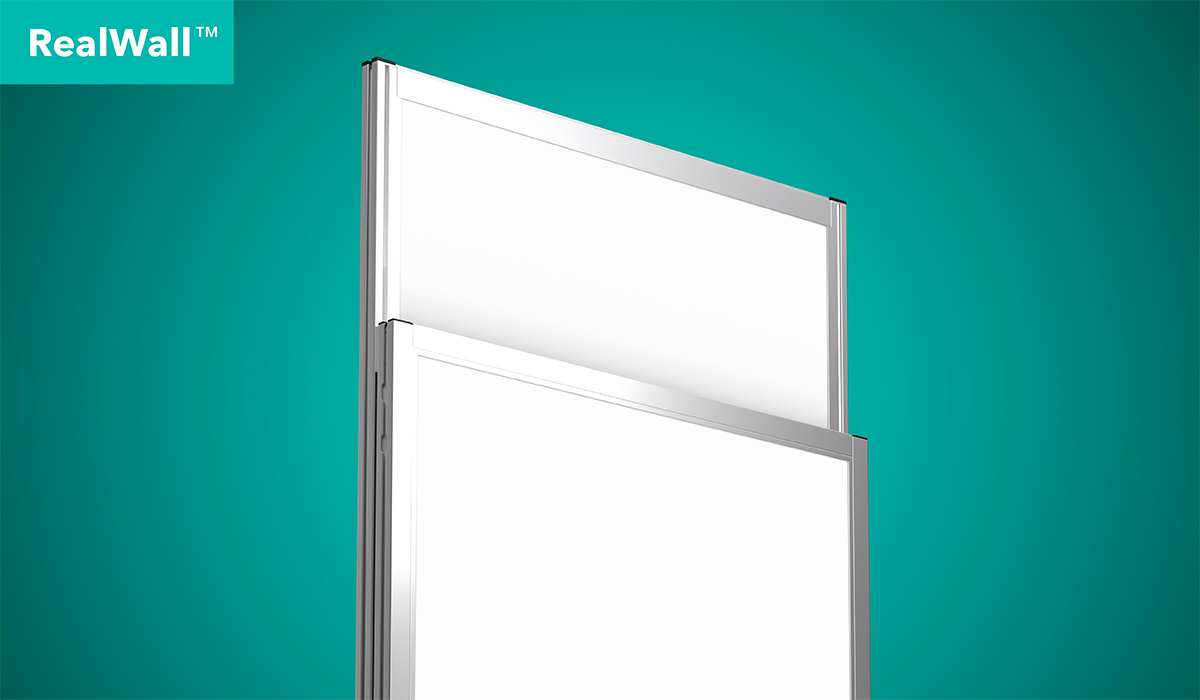
RealWall
Rugged 3-layer construction, sound-attenuating core, and galvanized steel back—RealWall is the only sound-attenuating containment solution, all while exceeding ICRA IV/V standards.
 Oncore Vetted
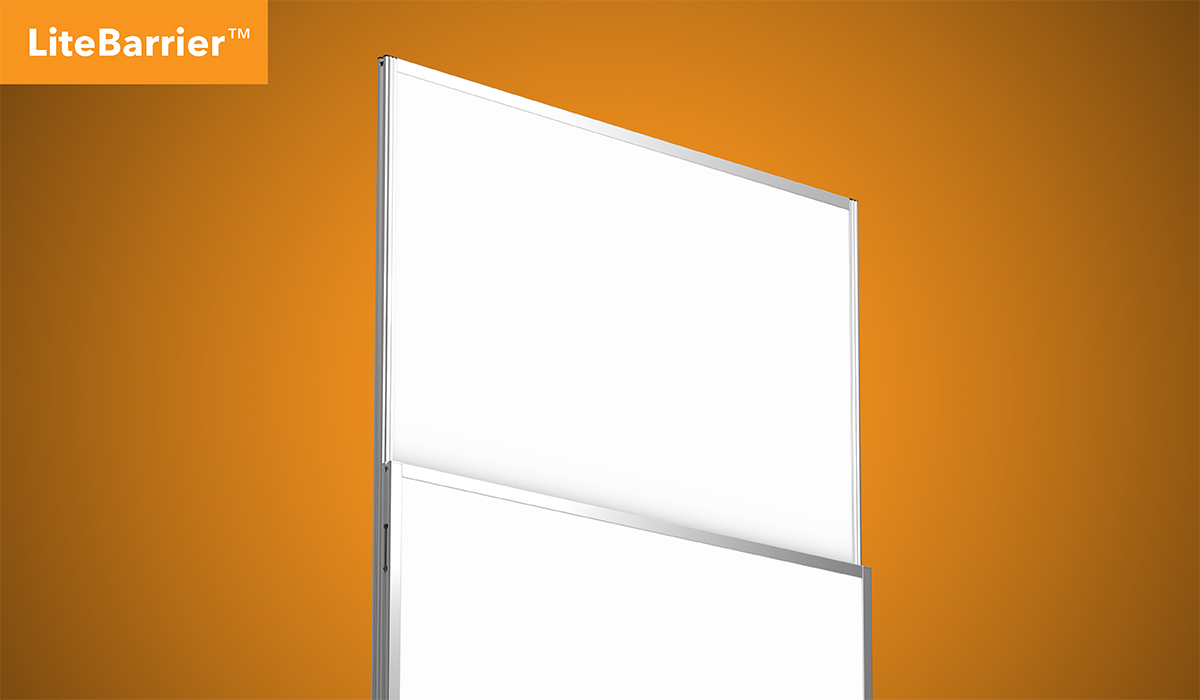
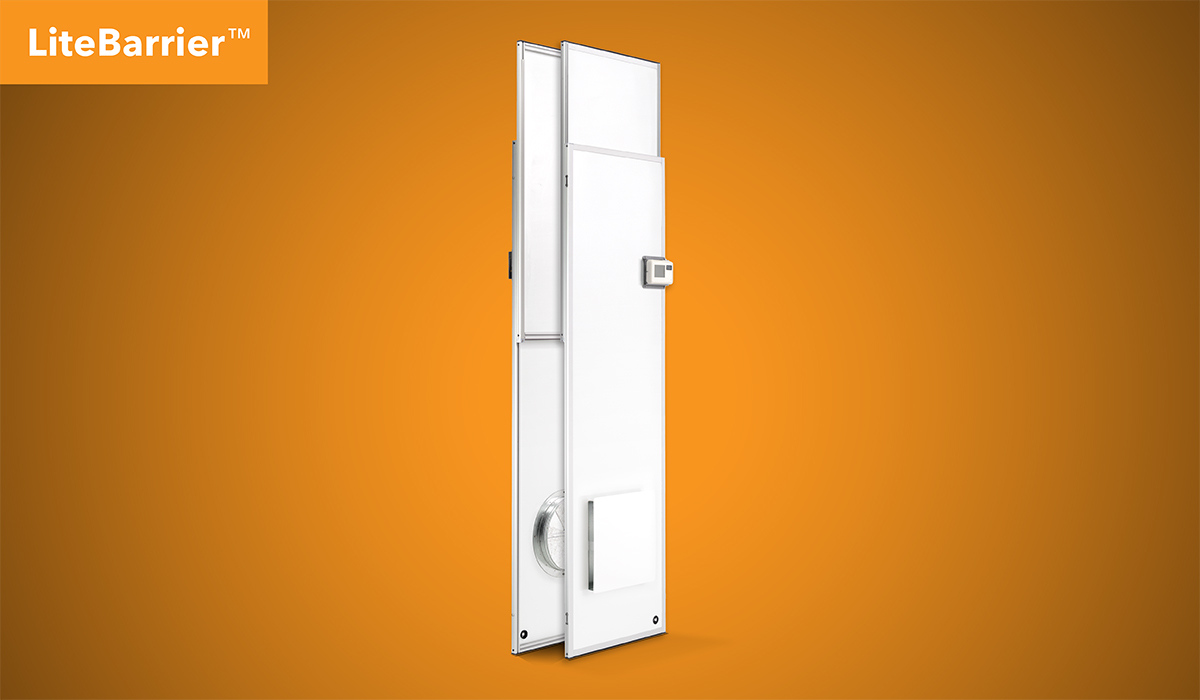
LiteBarrier
Slim yet durable with an aluminum frame and fiberglass reinforced polymer panels that won't dent or scratch. LiteBarrier is the lightweight, lower-cost containment solution with a 2-year warranty.
 Oncore Vetted
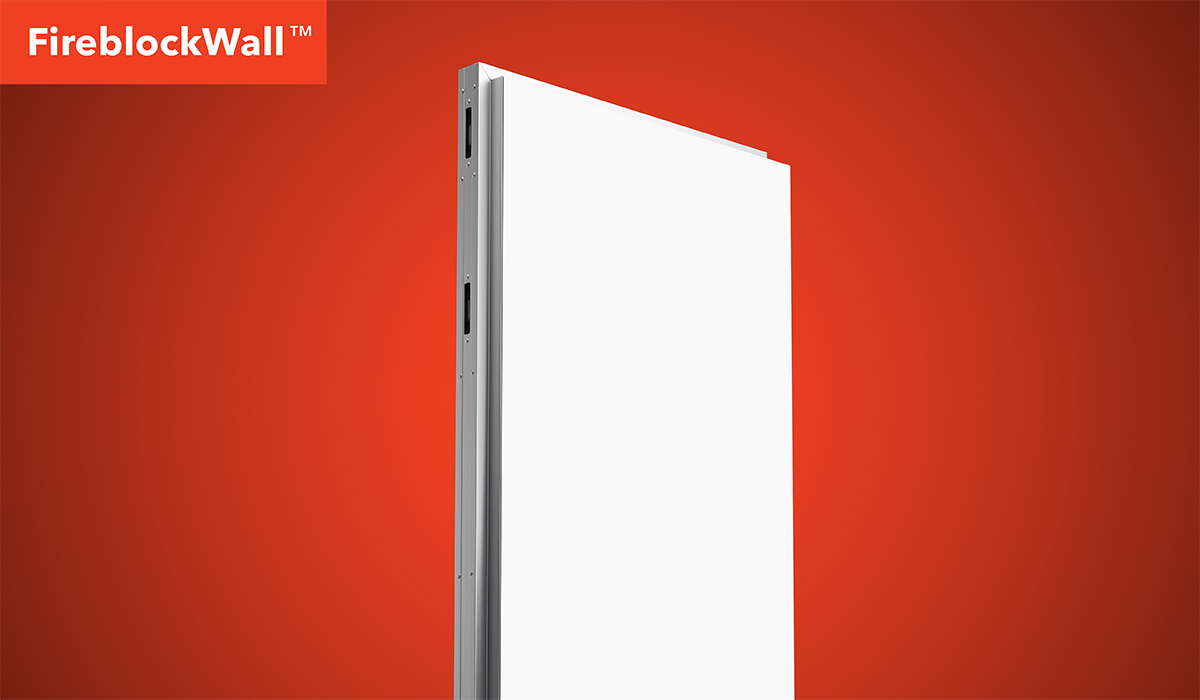
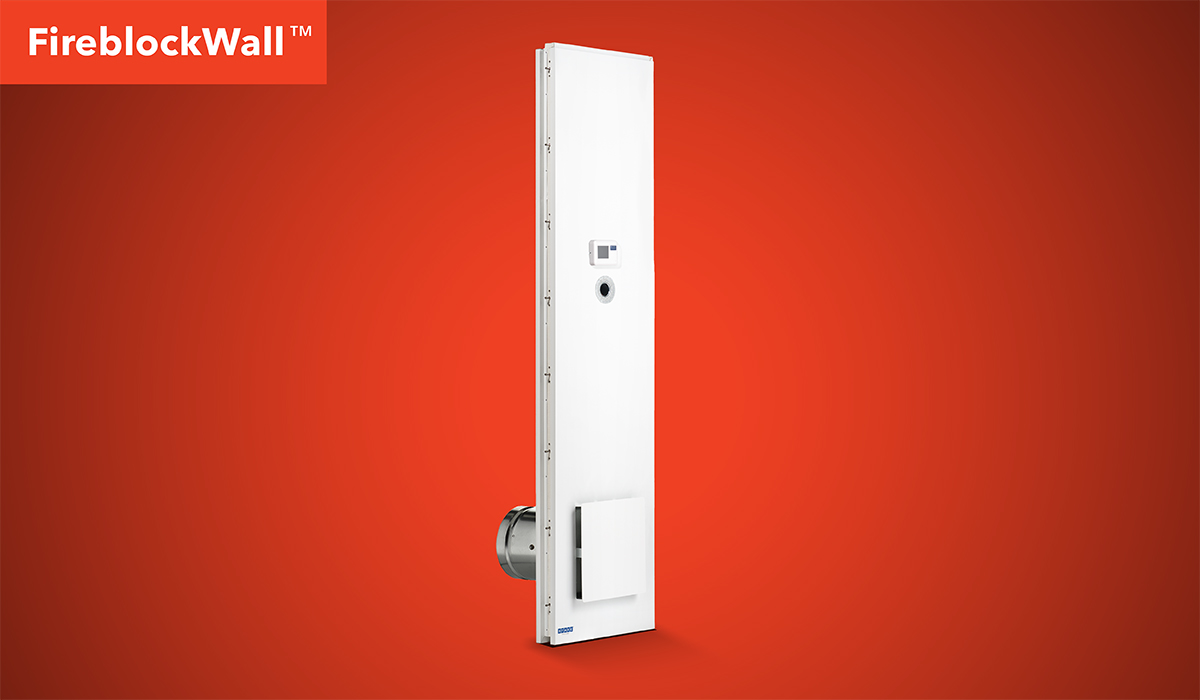
FireblockWall
FireblockWall is the market's first and leading one-hour fire-rated reusable containment system. It meets ASTM E-119 and E-84, NFPA 101 and 241, ICRA IV/V standards, and still installs 4x faster than drywall.
 Oncore Vetted
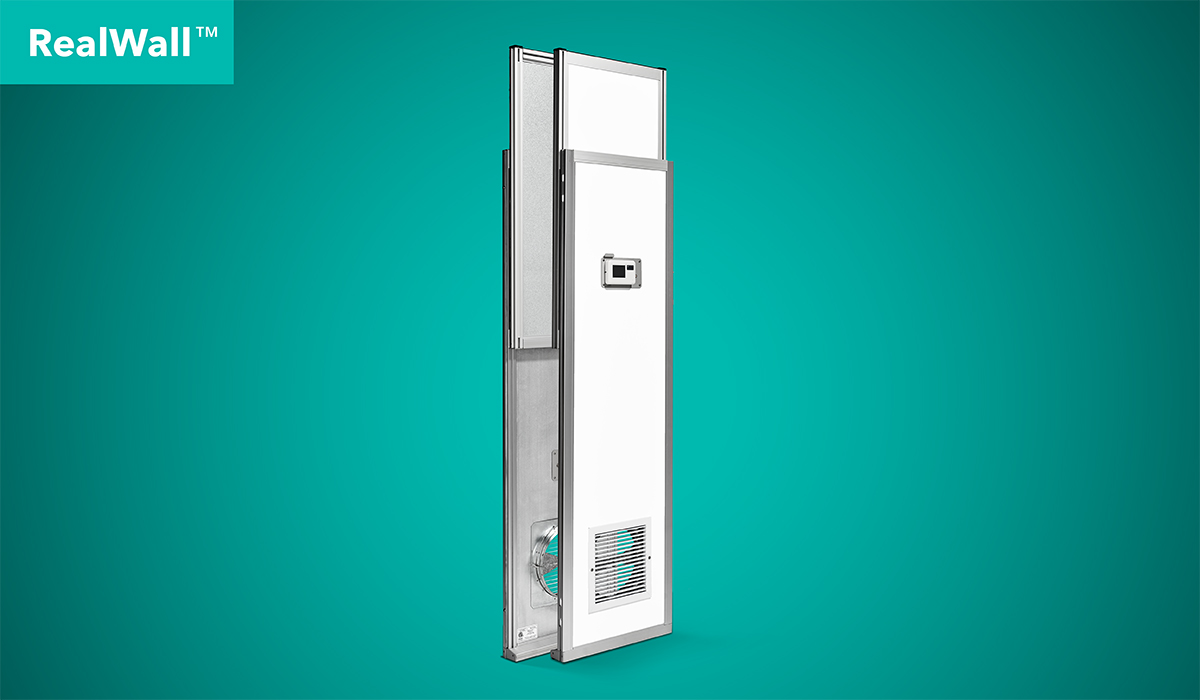
RealWall Negative Air Panel
Maintain negative or positive pressure zones with integrated ports and monitoring, a critical upgrade to your modular temporary wall system.
 Oncore Vetted
LiteBarrier Negative Air Panel
Make clean containment simple and fast. Built for dependable, code-compliant performance that integrates directly into your LiteBarrier system.
 Oncore Vetted
FireblockWall Negative Air Panel
Deliver airtight containment AND fire-rated performance with one solution. Purpose-built for safety and compliance, this panel won't compromise your one-hour fire rating requirements.
What to check before you buy.
Guidance from the Oncore consultants who write these permits and inspect the barriers that come out of them.
Ask a Consultant- 01
Look for a system that seals at the floor, ceiling, and every panel joint. A barrier that leaks at the seams cannot hold the pressure differential the permit requires, no matter how solid the panels are.
- 02
Check the fire rating against the project. Work in an occupied facility is governed by NFPA 241 alongside the ICRA permit, and some areas will require a barrier with a tested fire performance rating rather than a standard panel.
- 03
Account for noise as well as dust. Panel systems with an acoustic rating matter when the work is adjacent to patient rooms, because a complaint about noise can shut a project down as fast as a complaint about dust.
- 04
Plan the entry before you plan the wall. A door with a proper seal, and an anteroom on Class IV work, is what keeps the barrier functional once crews start moving material through it.
The classes this category serves.
Class III
Work that generates moderate to high dust levels, or that requires removing a fixed building component such as a wall, ductwork, or casework.
Critical barriers that fully seal the work area, negative air pressure maintained with HEPA filtration, and every penetration sealed. Pressure has to be verified, not assumed.
Class IV
Major demolition and construction. Work spanning multiple shifts, requiring consecutive work shifts, or involving heavy demolition and removal of a complete cabling or ceiling system.
Rigid sealed barriers with an anteroom for gowning and equipment transfer, continuous negative air pressure with HEPA exhaust, tacky mats at every transition, and documented monitoring for the life of the project.
Not sure which class your project falls under? Oncore performs the risk assessment and writes the ICRA permit, and our ICRA 2.0 training teaches your team to do it in house.
Need the containment
scoped properly?
Buying the right product is the last step. Oncore performs the risk assessment, writes the ICRA permit, and monitors the barrier through the life of the project.